City Survival Stories: Urban Wildlife Tales
10 Urban Wildlife Wonders
House Sparrows (Passer domesticus)
 Adaptation: Nests in building crevices and forages for food scraps in urban areas.
Raccoons (Procyon lotor)
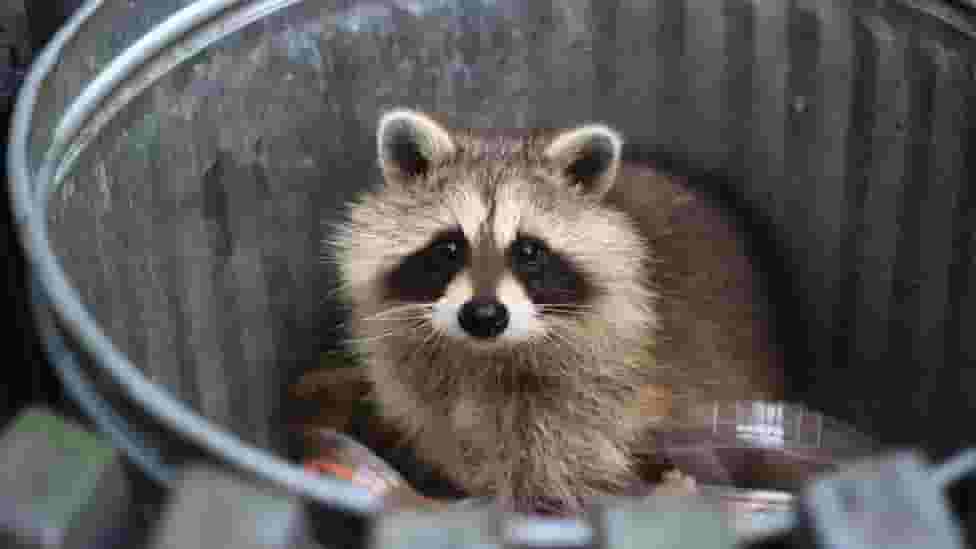 Adaptation: Opportunistic feeders that raid trash cans and find food in urban settings.
Coyotes (Canis latrans)
 Adaptation: Nocturnal behavior and ability to find food in cities, including hunting rodents and scavenging.
Red Foxes (Vulpes vulpes)
 Adaptation: Adaptability to diverse diets and nesting in green spaces within cities.
Peregrine Falcons (Falco peregrinus)
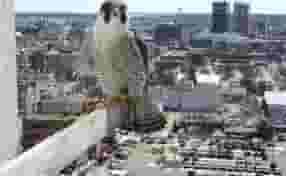 Adaptation: Nesting on skyscrapers and hunting urban birds such as pigeons.
Feral Cats (Felis catus)
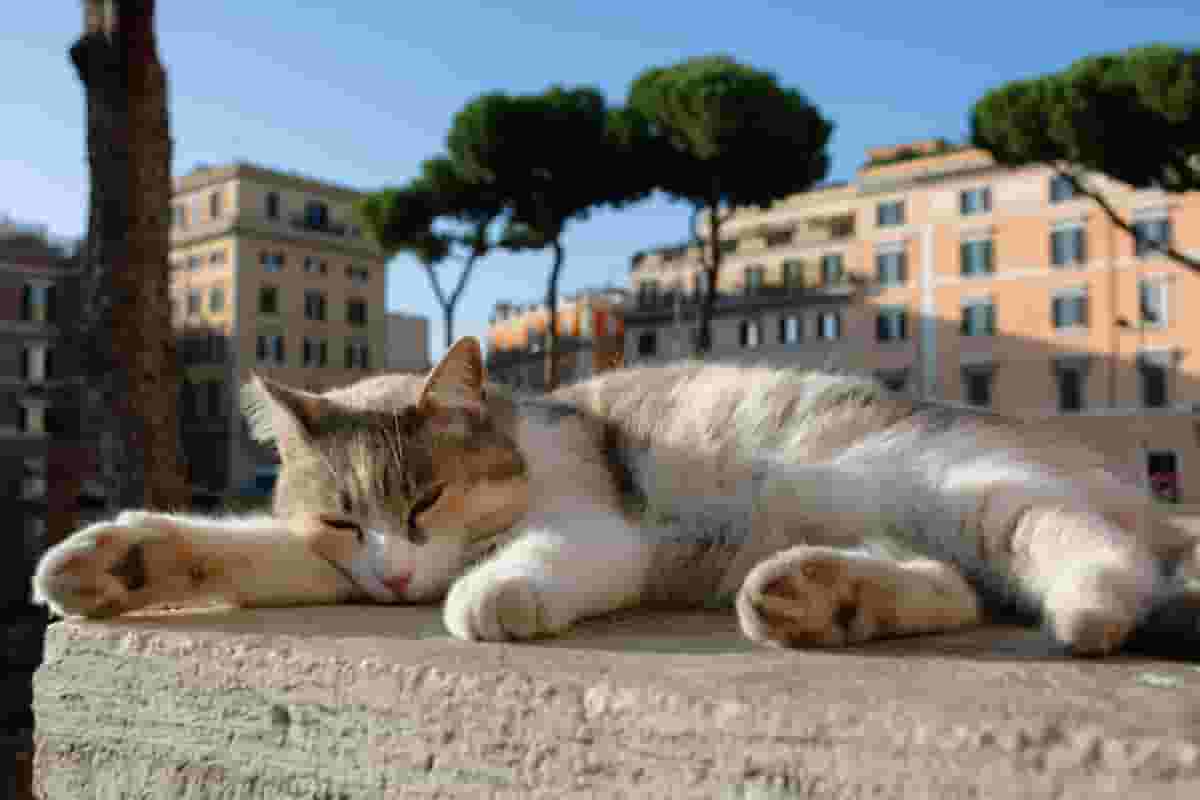 Adaptation: Predatory behavior in urban settings, where they hunt birds and small mammals.
Norway Rats (Rattus norvegicus)
 Adaptation: Thrives in urban environments with access to abundant food sources, including human waste.
Eastern Gray Squirrels (Sciurus carolinensis)
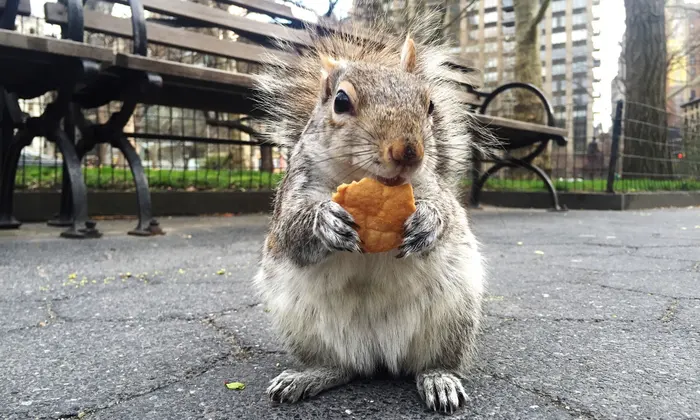 Adaptation: Nests in urban trees and feeds on a variety of available food sources, including bird feeders.
Pigeons (Columba livia)
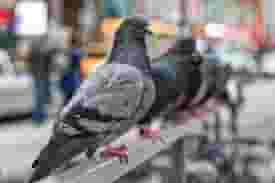 Adaptation: Nests on building ledges and utilizes urban structures for shelter and breeding.
Eastern Cottontail Rabbits (Sylvilagus floridanus)
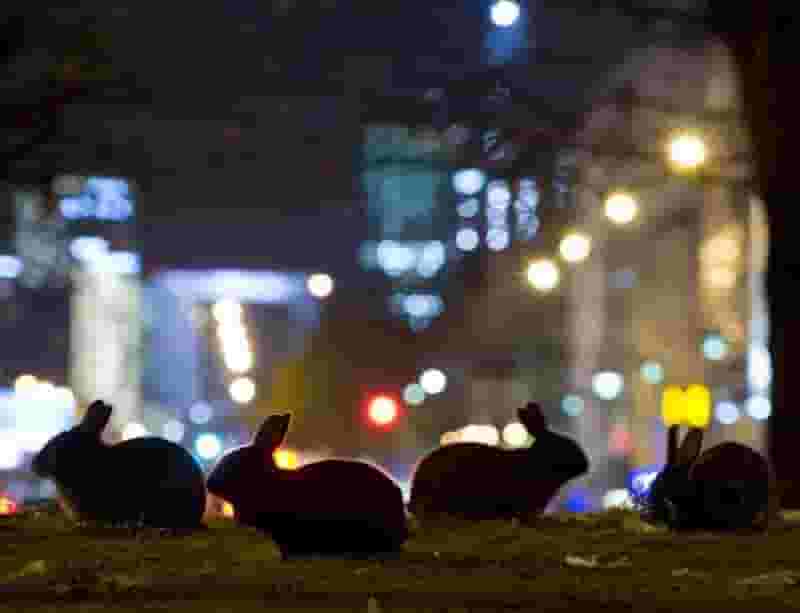 Adaptation: Often seen in urban green spaces, feeding on lawns and gardens.